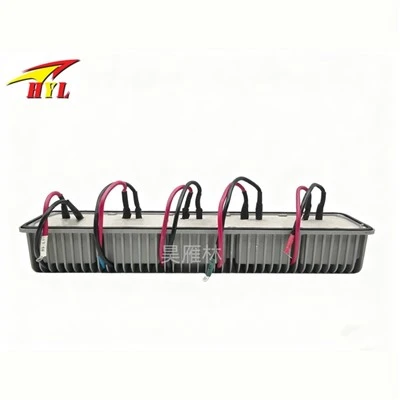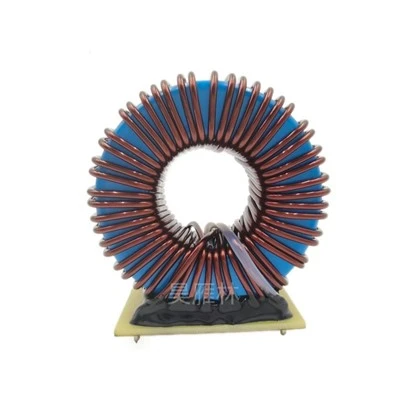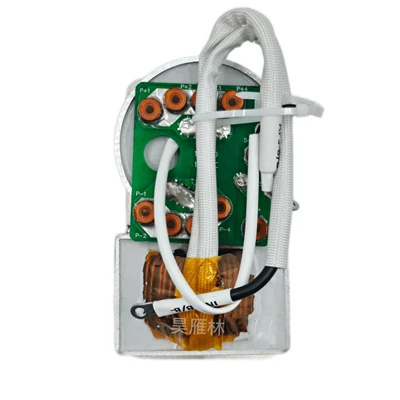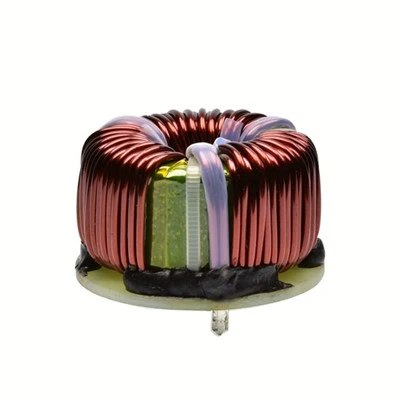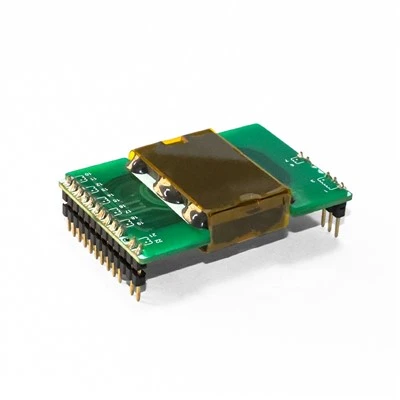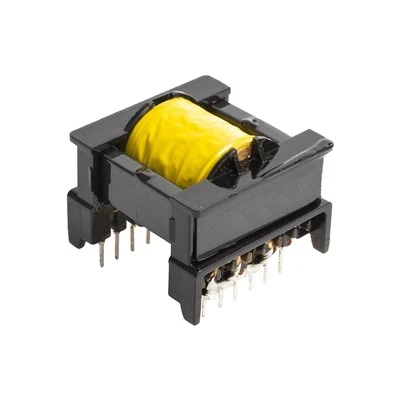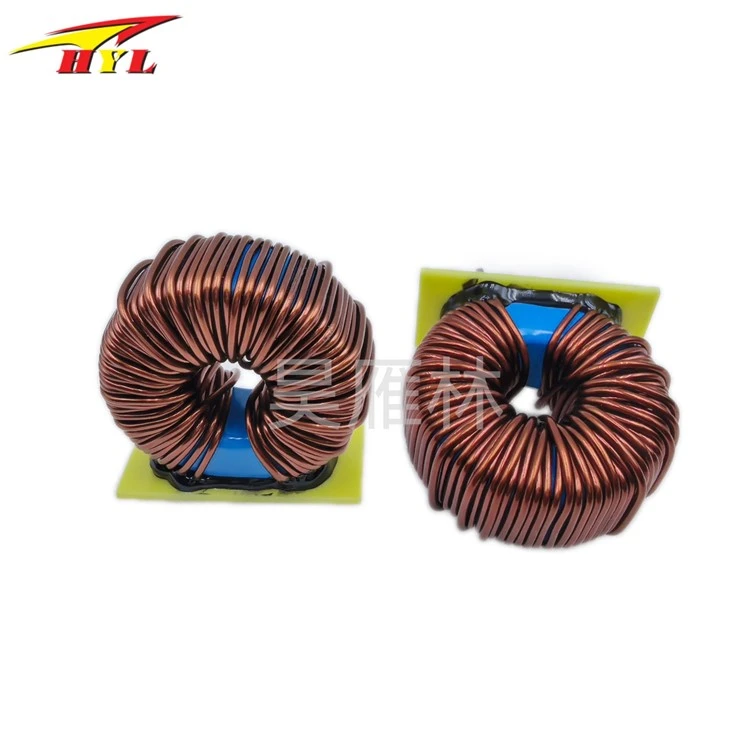
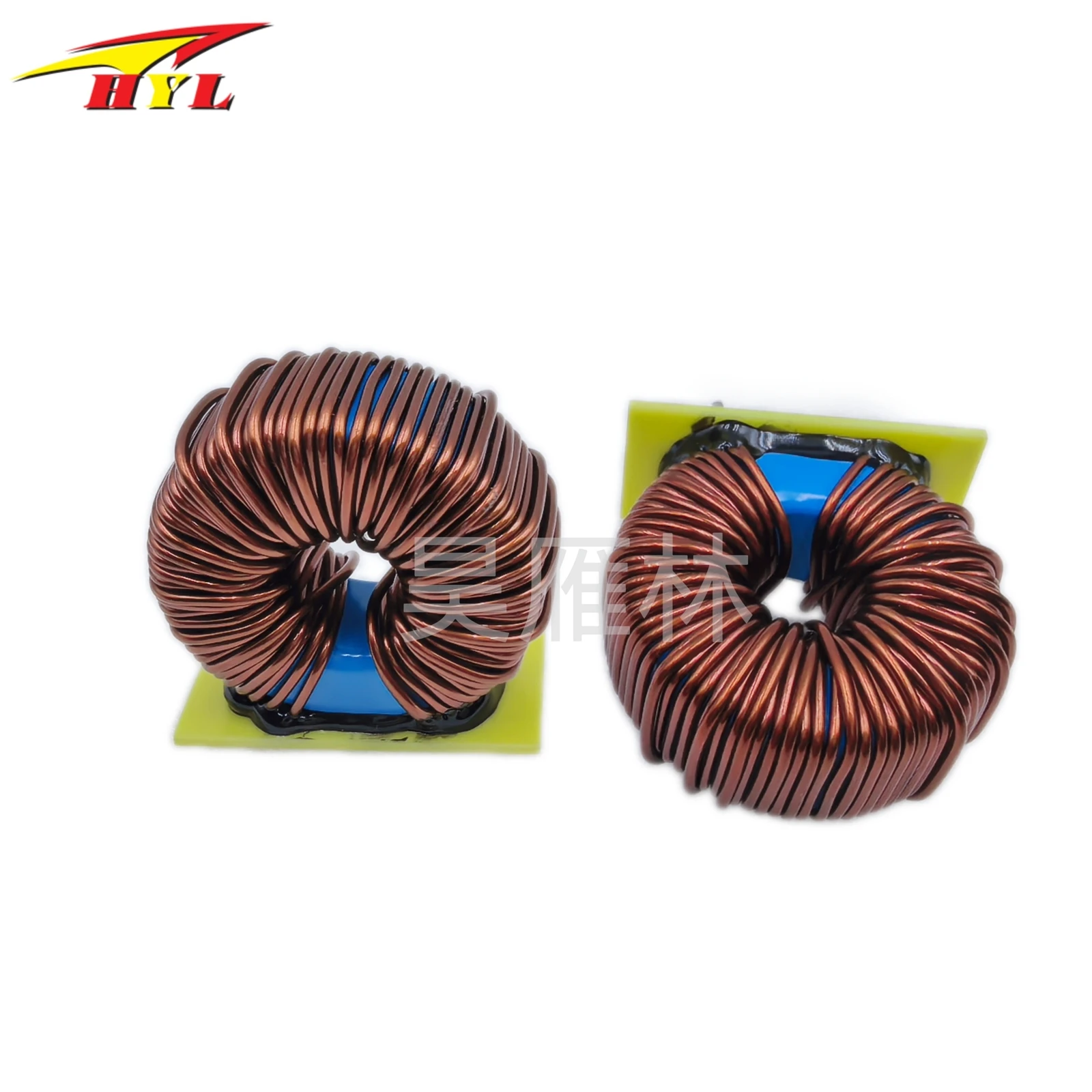
An Output Filter Inductor is a power magnetic component designed to smooth output current and attenuate unwanted ripple and high-frequency switching components in power conversion circuits. It is typically connected to the output stage of a power supply or converter, where its inductive impedance helps maintain stable current flow and improve output power quality.
The inductor stores energy in its magnetic field as current flows through the winding and releases the stored energy as the circuit current changes. Its inductance, current rating, core material, winding structure, and DC resistance can be optimized according to the converter topology, switching frequency, output current, ripple requirements, and available installation space.
Key Attributes
| Item | Specification | Item | Specification |
| Application | Power Supply Output Filtering | Coil Structure |
|
| Type | Output Filter Inductor | Model Number |
|
| Core Material |
|
Inductance |
|
| Frequency | Customized | Rated Current |
|
| Rated Current |
|
Saturation Current | Customized |
| Inductance |
|
DC Resistance |
|
| DCR | Customized | Operating Frequency | Customized |
| Winding Type |
|
Operating Temperature | Customized |
| Mounting Type | Customized | Core Material | Customized |
| Keyword |
|
Dimensions | Customized |
Working Principle
An Output Filter Inductor works by introducing frequency-dependent inductive impedance into the output path of a power supply or converter. When output current flows through the winding, electrical energy is stored in the magnetic field of the inductor. As the switching cycle changes, the stored energy is released to help maintain a more continuous output current.
The inductive reactance increases with frequency according to XL = 2πfL, where f is frequency and L is inductance. This allows the inductor to provide greater opposition to high-frequency current components and reduce switching-related ripple.
When combined with output capacitors, the inductor can form an LC or other output filter network to attenuate ripple and switching noise, helping improve the stability and quality of the converter output.
Key Features
- Effective Output Filtering – Helps smooth DC output current and reduce unwanted current ripple.
- High-Frequency Noise Attenuation – Provides increased impedance to high-frequency switching components in power conversion circuits.
- Stable Inductance Performance – Designed to provide controlled inductive characteristics under specified operating conditions.
- High Current Capability – Can be designed to handle the required output current and peak current of the target power system.
- Low DCR Options – Low DC resistance designs can help reduce copper losses and heat generation.
- Flexible Core Selection – Magnetic core materials and structures can be selected according to inductance, current, frequency, and thermal requirements.
- Compact Design Options – Suitable for space-constrained power supply and converter applications.
- Customizable Electrical Parameters – Inductance, current rating, saturation characteristics, winding configuration, dimensions, and other specifications can be tailored to the application.
Applications
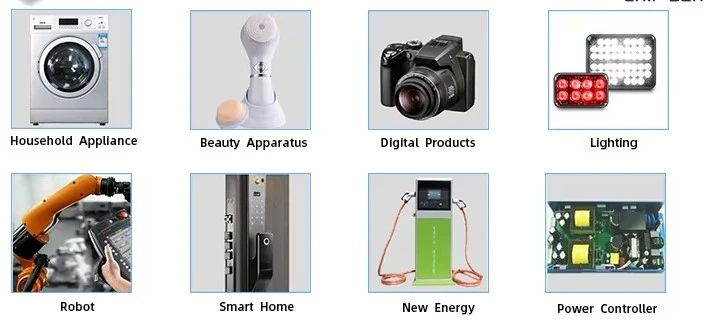
- Switching power supply output stages
- AC-DC and DC-DC converters
- PFC and power conversion systems
- Battery chargers and energy storage power systems
- Inverters and renewable energy power equipment
- Industrial power supplies and UPS systems
- High-current DC power systems
- Electronic equipment requiring stable low-ripple power output
Output Filter Inductors are widely used where stable output current, reduced ripple, and effective filtering of switching components are required in power conversion systems.
Advantages
- Improved Output Current Stability
Helps smooth current fluctuations and support more stable power delivery.
- Reduced Output Ripple
Works with capacitors and other filter components to reduce current and voltage ripple at the converter output.
- Effective Switching Noise Filtering
Helps attenuate unwanted high-frequency components generated during switching operation.
- Low-Loss Design Options
Low DCR configurations can help reduce winding losses and associated heat generation.
- High Current Design Capability
Can be engineered for demanding output current and peak current requirements.
- Flexible Magnetic Optimization
Core material, inductance, winding structure, and other parameters can be optimized for the target converter.
- Compact Power Conversion Integration
Can be designed to match available PCB or equipment space. Application-Specific Customization – Electrical, thermal, magnetic, and mechanical characteristics can be tailored to different power supply and output filtering requirements.
Hot Tags: output filter inductor, China output filter inductor manufacturers, suppliers, factory