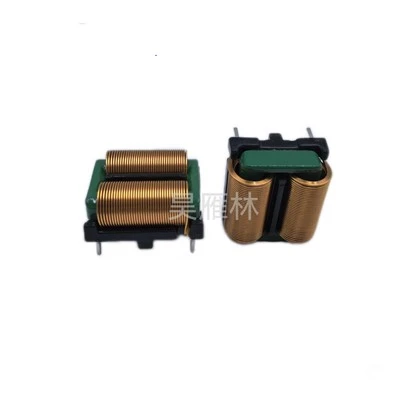
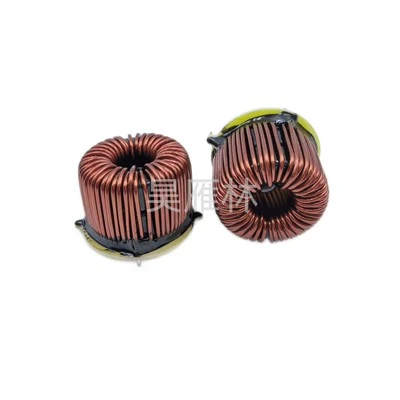
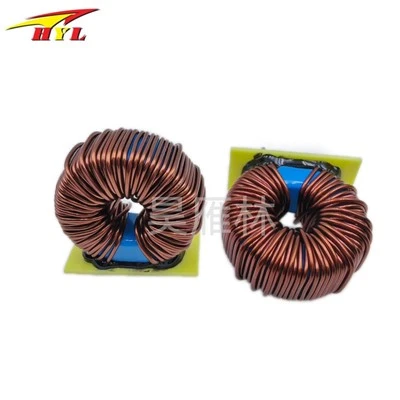
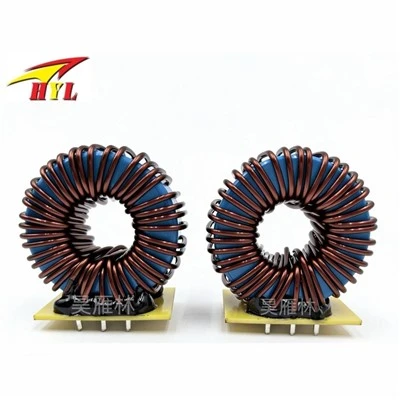
When selecting a filter, the first step is to clearly define the type of equipment, its operating environment, and interference characteristics, and determine the electromagnetic compatibility (EMC) standards it must comply with. Regarding electrical parameters, the rated voltage must match the system voltage, and the rated current should be selected based on the equipment's maximum operating current, with a 20%-30% margin recommended to handle transient current surges. In terms of performance, insertion loss is crucial, as it is a key indicator for evaluating the filter's interference suppression capability and must be selected based on the target suppression frequency band requirements.
Simultaneously, the appropriate filter circuit structure must be selected based on the noise mode (common-mode or differential-mode).
Safety and compliance requirements necessitate that the filter pass relevant international and domestic certifications, such as IEC/EN 60939, UL, and CE. Medical equipment has even stricter limitations on leakage current, typically requiring less than 300μA. The structure and installation must consider the available space, selecting mounting methods such as onboard, DIN rail, or chassis-mounted options, and paying attention to environmental adaptability indicators such as operating temperature and protection rating.