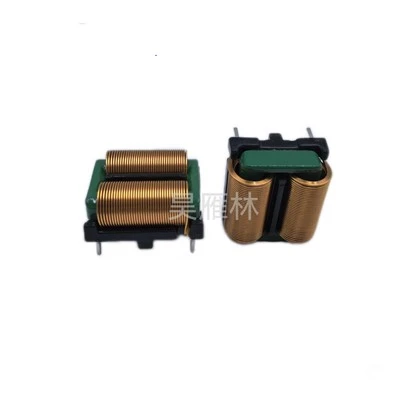
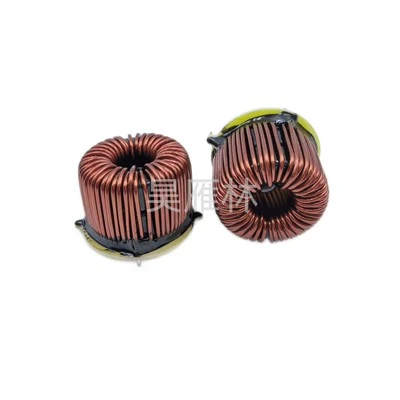
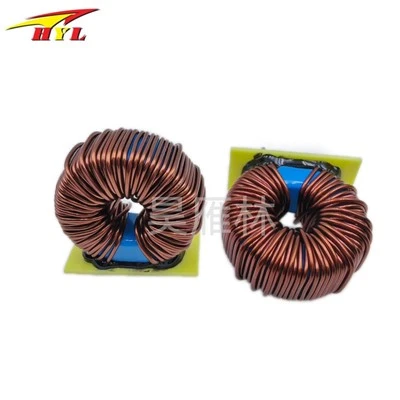
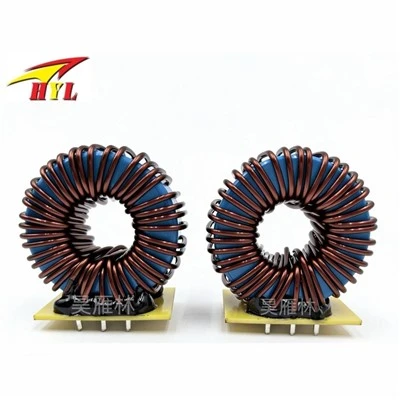
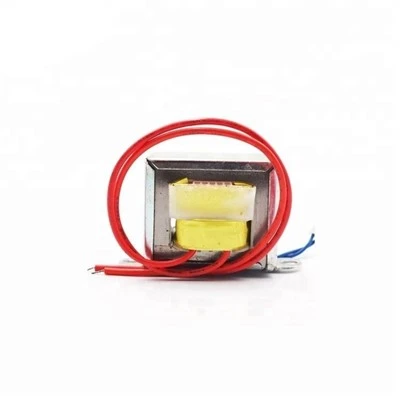
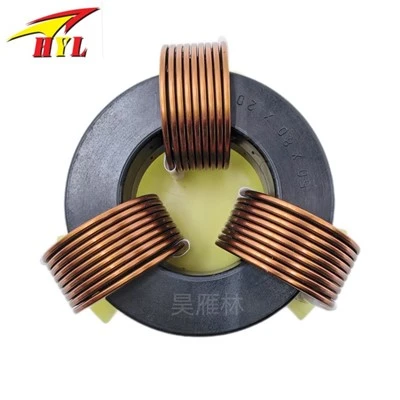
Because national EMI standards are not comprehensive, some manufacturers exploit this loophole to cut costs by drastically reducing overall EMI protection (including omitting common-mode inductors). The direct consequence is extremely poor EMI protection performance for motherboards. However, for motherboards with excellent overall design and high-quality components, even without common-mode inductors, their overall EMI protection performance can still meet the relevant requirements, and such products are still considered qualified. Therefore, judging a motherboard's quality solely based on the presence or absence of a common-mode inductor is inappropriate.
Common-mode inductors effectively suppress common-mode interference from high-speed interfaces on the motherboard, preventing EMI from affecting the normal operation of other peripherals and our health through electromagnetic radiation generated by cables. However, it should also be noted that EMI protection design for circuit boards is a large and systematic project, and the use of common-mode inductors is only a small part of it. A circuit board with common-mode inductors at high-speed interfaces does not necessarily have excellent overall EMI protection.