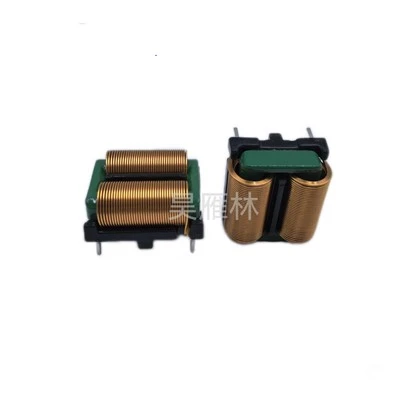
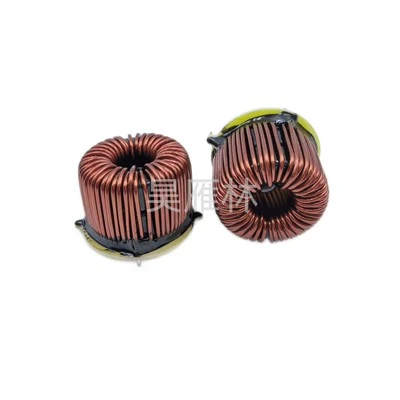
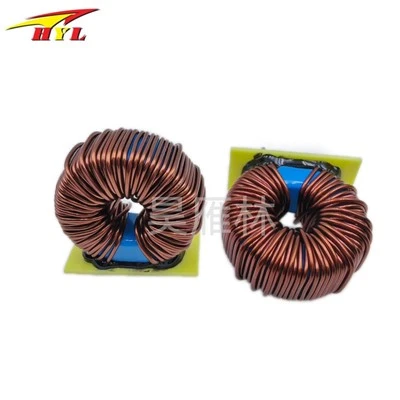
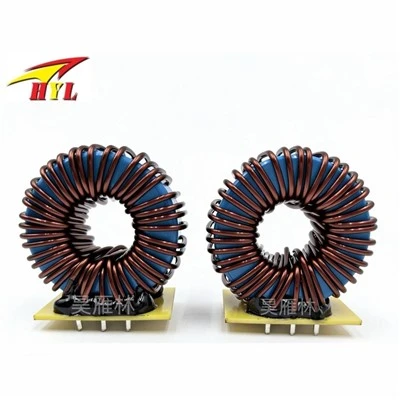
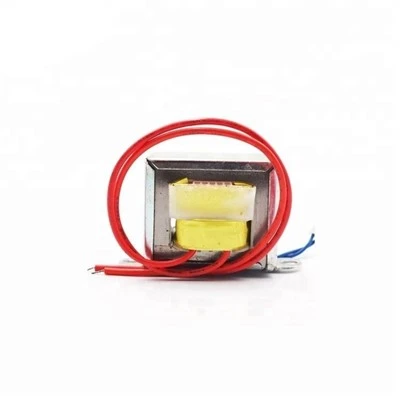
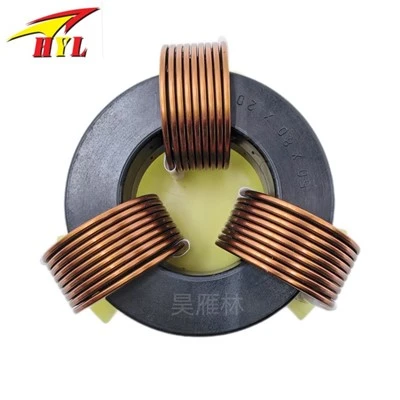
EMI filters operate on the principle of a low-pass filter circuit composed of an inductor (L) and a capacitor (C). When high-frequency electromagnetic noise passes through the line, the inductor impedes the flow of high-frequency signals (because its inductive reactance is proportional to frequency), while the capacitor bypasses the high-frequency noise and directs it to ground, thus attenuating electromagnetic noise in a specific frequency band.
This design enables it to effectively filter common-mode interference (line-to-ground noise) and differential-mode interference (line-to-line noise) generated by devices such as switching power supplies, motor drivers, and inverters. Typical attenuation ranges from 20 to 60 dB, depending on the filter order and component parameters.